
Sandakphu Phalut Trek
Sandakphu Phalut Trek
INR 11,980/-
Per person
7 Days and 6 Nights
FACILITIES
Accommodation

Transportation included

Safety gears
100% Safety
assured

Certified Guide
Trekking gear
Overview
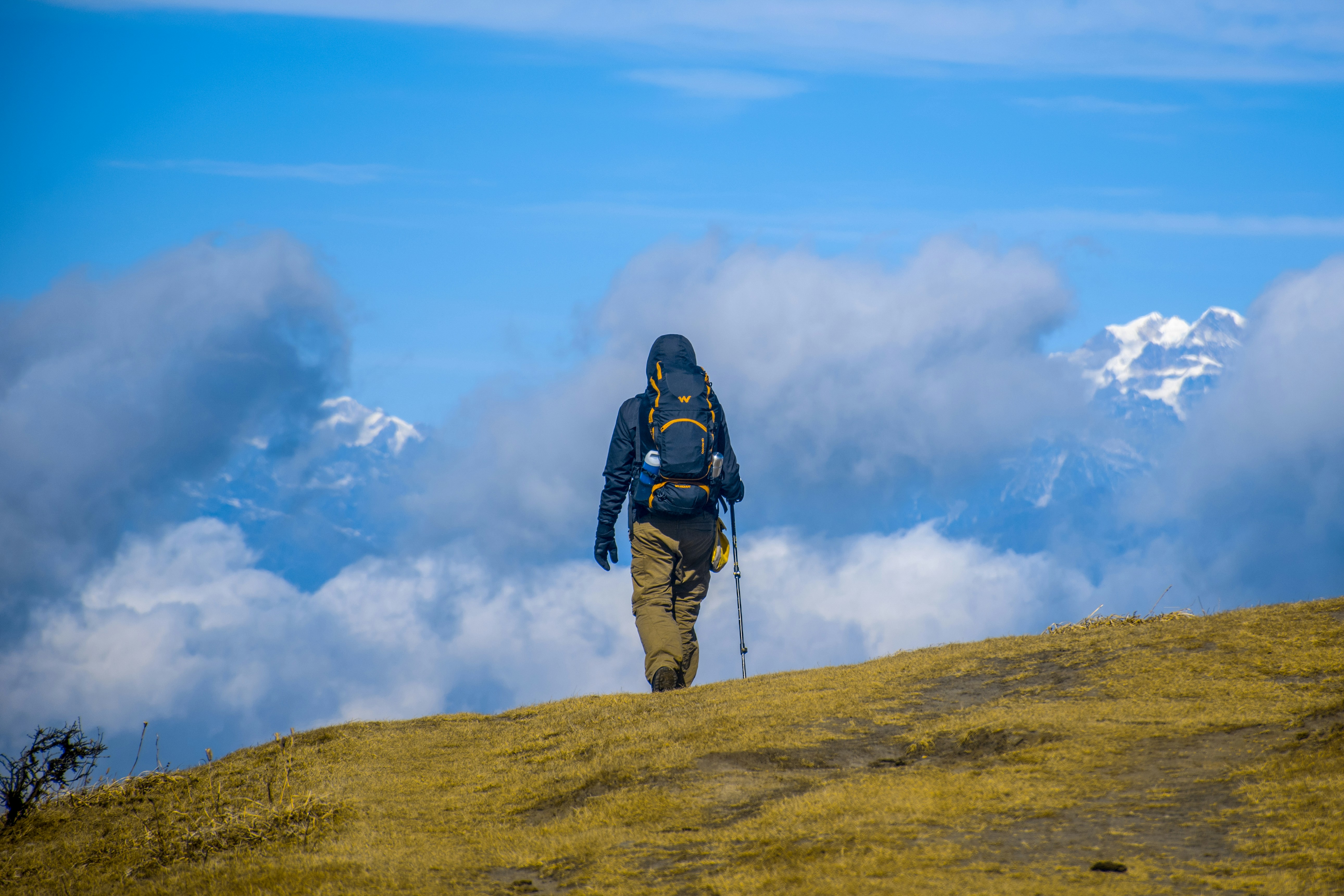
Sandakphu Trek lies in the Darjeeling district of West Bengal; on this trek, you can expect to experience the breathtaking vistas of the world’s tallest peaks. The Level of this trek is moderate to difficult, suitable for people with prior experience; first-time trekkers can also do this. Picturesque views of the snow-capped peaks of Nepal, Bhutan, and east of Tibet are the scenery that awaits on this trek. Since this trek falls under the Singallia National Park, you can witness this region’s rich vegetation and fauna.
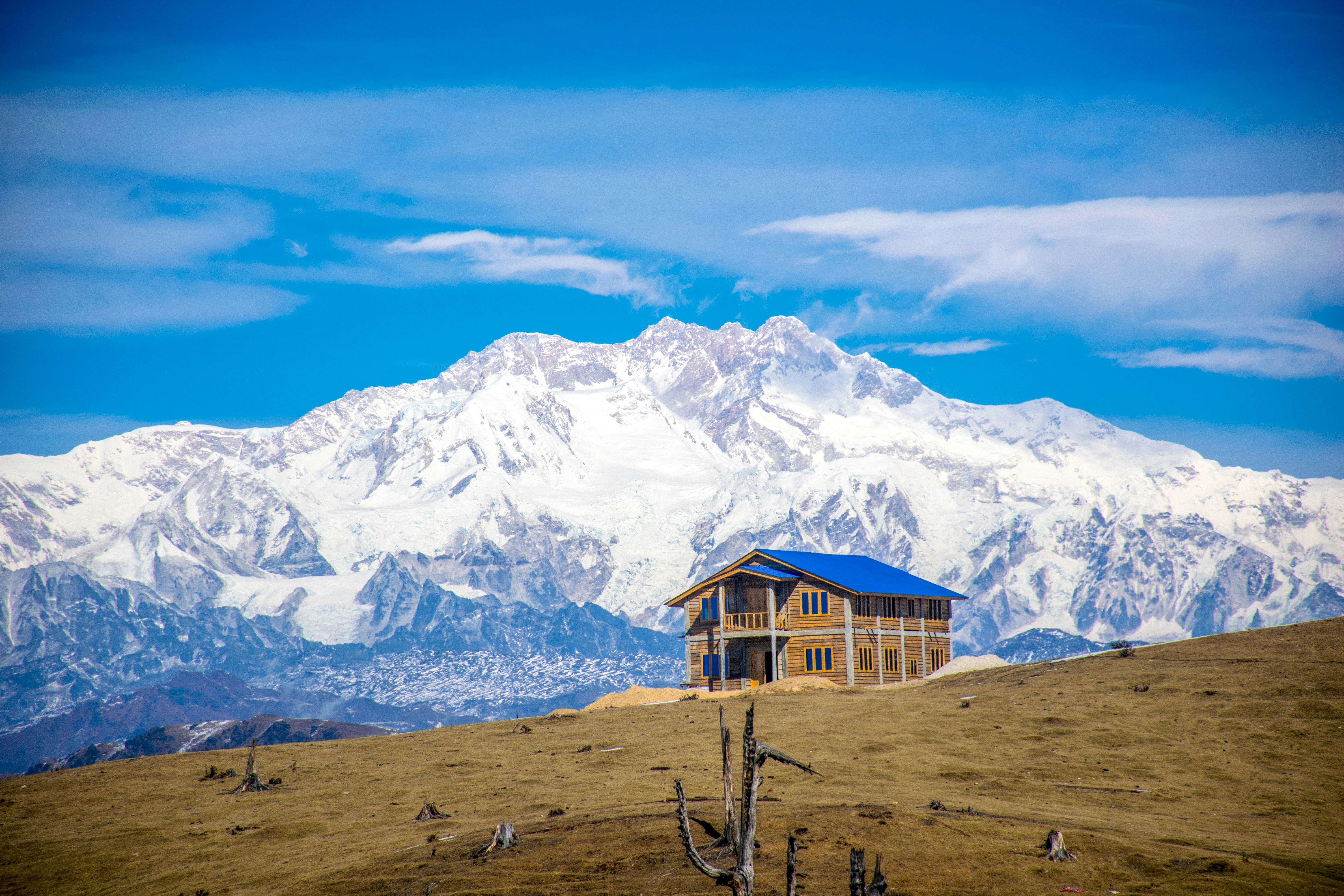
The Sandakphu Trek is a unique adventure that combines the stunning sight of four of the highest mountains on Earth with a harmonious blend of nature and culture. As you stand at Phalut, take in the breathtaking view of the Everest cluster, comprising the fourth- and fifth-highest mountains globally, Lhotse and Makalu. This unique vantage point offers a rare opportunity to behold these three magnificent peaks together, a truly unforgettable experience.
The majestic “Sleeping Buddha” mountain range, located on your right, is truly awe-inspiring. Its uncanny resemblance to a peaceful, slumbering figure is a sight. The impressive massif boasts the third-highest mountain in the world, Kanchenjunga, which stands out as the most prominent peak in this distinctively shaped range. As you wake up at our Sabalgram campsite, you will be greeted by the mesmerizing Sleeping Buddha, a sight that often evokes strong emotions in hikers.
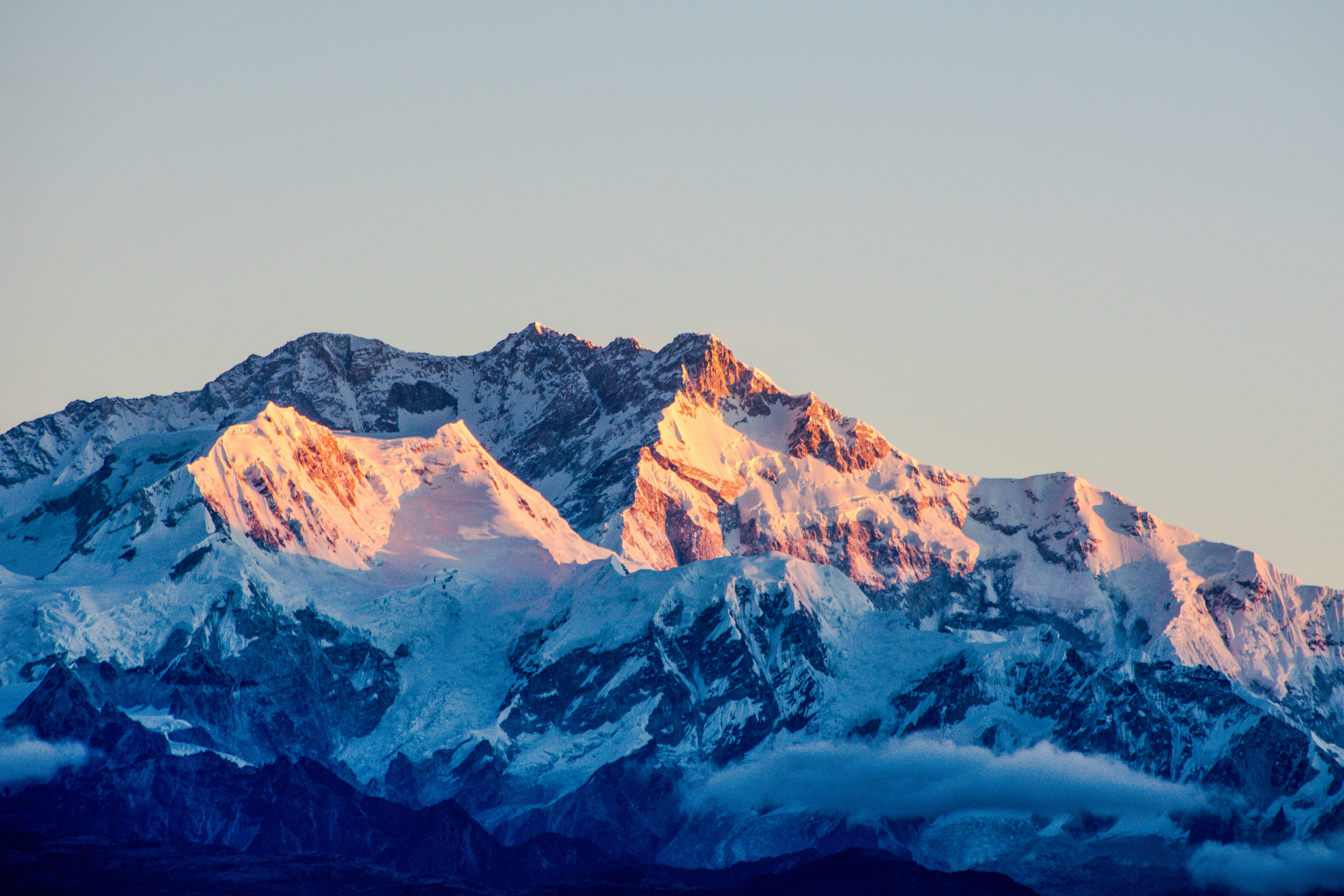
Sandakphu-Phalut holds a special place in our hearts when experiencing breathtaking sunrises and sunsets. The sunset we witness from Aahl is genuinely remarkable and incomparable. It is a peculiar phenomenon of nature where a vast expanse of clouds settles beneath Aahl, resembling waves in the sea. Within this enchanting cloud-filled atmosphere, the sun gradually sets, casting a mesmerizing glow. The sight of the Everest cluster and the Sleeping Buddha, shining in vibrant shades of orange, adds an emotional touch to these unforgettable moments during the trek.
The primary motivation for embarking on this trek is to witness the breathtaking sunrises and sunsets. Based on our past experiences, we have yet to come across treks offering magnificent views of the sun’s ascension and descent. Our hikers particularly adore the Singalila National Park. Its bamboo and rhododendron forests are incredibly dense and awe-inspiring.
North of Samanden, an expansive stretch of bamboo grows, forming a canopy that invites visitors to immerse themselves in a unique experience. As they walk beneath the towering, dense stalks, the sun’s rays are filtered through the leaves, casting a soft, emerald glow. The closely packed bamboo creates an enchanting atmosphere, transporting those who venture into this hidden realm to a world of wonder and magic.
While it’s uncommon, it’s not impossible to catch a glimpse of the majestic Himalayan black bear, red panda, and clouded leopard during the trek. Additionally, we’re excited to immerse ourselves in the rich Indo-Nepali culture that permeates the region. As we make our way through the mountains, our route takes us across the border between Nepal and India, with our sleeping tents set up in India and our kitchen tents in Nepal at some camps.
The proprietors of the local tea houses, who are often families, are renowned for their hospitality and warmth. Upon entering one of these cozy establishments, visitors are welcomed with a steaming cup of tea and a heartfelt smile. The influence of Buddhism is palpable and pervasive.
The food combines elements from both Nepali and Tibetan traditions. We love Bhukiya roti, a delicious bread. It pairs perfectly with our homemade fruit jams. Additionally, we have a particular fondness for Nepali Thukpa, which is distinct from the version found in our cities. Remember to bring back Dalle Khursani, one of the spiciest chillies in the world, as a souvenir. Lastly, don’t forget to include bamboo shoot pickles and Churpi (yak cheese) on your list of souvenirs to complete your collection.
At this remarkable height, you would see the Buddha Formation and the sight of Mount Everest, Kanchenjunga, and various other snow-covered peaks. The vibrant biodiversity found in the region includes Magnolias and Rhododendrons, which are very beautiful and add to the scenic picture-perfect landscape. This hamlet is studded with local wooden huts and spread-out farmlands. This trek also follows the Old Silk Route, where the trail leads through bends, loops, and lush natural beauty, along with the hospitality of the locals.
Itinerary
Day 1: New Jalpaiguri (NJP) to Sepi by Drive
Altitude: New Jalpaiguri (NJP) Railway Station (374 ft / 114 meters), Sepi (6400 ft / 1951 meters)
Altitude Difference: 6026 ft / 1837 m
Drive Distance: 130 km
Drive Duration: Approx. 7 hrs
Stay: Overnight stay at the teahouse.
Meal: Dinner
The trekkers would begin the journey from New Jalpaiguri (NJP) to Sepi; on the road, they would pass through the famous tea gardens of Darjeeling and Sikkim. After we had begun the drive, the first place we would reach was Mirik, which is a famous tourist destination. On route, we would pass by some picturesque, charming villages like Rimbik, Sukhipokhri and Dhotrey. The stop point of today’s trek is Sepi, an impressive place surrounded by greenery. There is also a Srikhola spring in Sepi village, which makes the landscape more beautiful. Upon reaching it, we would rest after the tiring, long drive.
Day 2: Sepi to Gorkhey via Raman-Samanden by Trek
Altitude: Sepi (6400 ft / 1951 m), Gorkhey (7874 ft / 2400 m)
Altitude Difference: 1474 ft / 449 m
Trek Distance: 15 km
Trek Duration: Approx. 8 hrs
Stay: Overnight stay at the teahouse.
Meal: Breakfast, Lunch, and Dinner
Trek Grade: Gradual
It is the second day of your travel and the first day of your trek, so that trekkers will be given a delicious breakfast in the morning on this day. The trekkers would be passing through the famous Darjeeling tea garden. From the beginning of the trek, the trail gradually climbs uphill, followed by some steep sections until we reach Raman. At the beginning of the trail, you would be crossing fields and small huts on the way. But as you proceed, the huts will disappear, and you will start seeing pine and oak forests. The trekker would find dense forest as the region falls under the Singalila Range, which is well known for abundant greenery. The trekker would then cross a bridge, after which lies an area where locals have dedicated stone benches for the people who have passed away. As the trekkers move further, they would again see farmlands and wooden huts, which means they have reached Samanden village. From Samanden village, it is just a few kilometers till you reach Gorkhey, which would be the resting place for the day.
Day 3: Gorkhey to Phalut by Trek
Altitude: Gorkhey (7874 ft / 2400 meters), Phalut (11,800 ft / 3600 meters)
Altitude Difference: 3926 ft / 1200 m
Trek Distance: 15 km
Trek Duration: Approx. 7 hrs
Stay: Overnight stay at the teahouse.
Meal: Breakfast, Lunch, and Dinner
Trek Grade: Gradual to Moderate
Begin your morning with hot tea and the glorious view of the mountains before you. When the trekker is ready for the day’s trek, they begin walking along the gorgeous Gorkhey Khola, which flows out of Ramam River and passes through Gorkhey village. The trail would then pass through Oaks, Bamboos, and Rhododendron Forest, and at some places, the trail could be steeply uphill. Soon, you will reach Phalut, one of the highest peaks in the Singalila Range and the second-highest point after Sandakphu Ridge. “Sleeping Buddha” is the name of the four tallest mountain peaks in Phalut. Gorkhey is a small village with fields and rivers flowing at the bottom. Here, you could also experience the warmth of the local culture and lifestyle of the quaint little village.
Day 4: Phalut to Thakom by Trek
Altitude: Phalut (11,800 ft / 3600 m), Thakom (11,300 ft / 3444 m)
Altitude Difference: 500 ft / 156 m
Trek Distance: 10 km
Trek Duration: approx. 7 hrs
Stay: Overnight stay at the teahouse.
Meal: Breakfast, Lunch, and Dinner
Trek Grade: Gradual to Moderate
On this day, you would be trekking where the Sleeping Buddha formation would be in the background. In today’s trek, you will cross the Indo-Nepal border to reach Nepal. Thakom is a beautiful valley between Sabargram and Sandakphu, a beautiful combination of beautiful meadows and a picturesque landscape setting. On this trek, you would see some Yaks grazing in the meadows; the trail is further remote and unknown location. You will see Rhododendron trees as you reach the day’s stopping point. Upon reaching the stopping point, Trekup India’s high-altitude chief will prepare a delicious dinner for you.
Day 5: Thakom to Aal by Trek
Altitude: Thakom (11,300 ft / 3444 meters), Aal (11,500 ft / 3505 meters)
Altitude Difference: 200 ft / 61 m
Trek Distance: 11 km
Trek Duration: Approx. 7 hrs.
Stay: Overnight stay at the teahouse.
Meal: Breakfast, Lunch, and Dinner
Trek Grade: Gradual to Moderate
The beautiful sunrise awaits you as you wake up in the morning with scenic views of the mountains. All is also the closest campsite to Sandakphu summit; today’s trek will not be as tiring as the previous days. Furthermore, on this trek, you would also catch sight of the Kanchenjunga ranges and other peaks. From here, you would be closely seeing the Sleeping Buddha formation. You would get ample rest at Aal before the next day’s trek.
Day 6: Aal to Timbure via Sandakphu by Trek
Altitude: All (11,500 ft / 3505 meters), Sandakphu (11,930 / 3636 meters), Timbure (6550 ft / 1996 meters)
Altitude Difference: Aal to Sandakphu (430 ft / 131 meters), Sandakphu to Timbure (5380 ft / 1640 meters)
Trek Distance: 14 km
Trek Duration: approx. 6 hrs
Stay: Overnight stay at the teahouse.Meal: Breakfast, Lunch, and Dinner
Trek Grade: Gradual
Today marks a long trekking day; begin the morning with a warm breakfast and hot tea. The trekker would reach from Aal to Sandakphu in a few hours, where you could enjoy the sunrise if you wake up early. From Sandakphu, you will see snow-covered peaks such as Makalu, Lhotse, Everest, Nuptse, Baruntse, Chamling, Chomo Lonzo, Machapuchare, and others. After spending ample time at the top, you would begin your downhill climb towards Timbure. The first village you would be crossing by is Gurdum, which is a picture-perfect dwelling surrounded by Himalayan mountains. Upon reaching Timbure, you would be either staying at the teahouse.
Day 7: Timbure to Srikhola by Trek, Srikhola to New Jalpaiguri (NJP) by Road
Altitude: Timbure (6550 ft / 1996 meter), Srikhola (6900 ft / 2103 meter), New Jalpaiguri (NJP) Railway Station (374 ft / 114 meter),
Altitude Difference: Timbure to Srikhola (440 ft / 107 meters), Srikhola to New Jalpaiguri (NJP) Railway (6526 ft / 1989 meters)
Trek Distance: Timbure to Srikhola by Trek (3 km), Srikhola to New Jalpaiguri (NJP) by road (130 km)
Trek Duration: Timbure to Srikhola by Trek (approx. 1 hr), Srikhola to New Jalpaiguri (NJP) by road (approx. 6 hrs)
Stay: Overnight stay at the teahouse.
Meal: Breakfast, Lunch, and DinnerTrek Grade: Gradual
This is the last of your journey and trek; this would be the last when you would be up close to the mountains. You will begin your trek from Timbure to Srikhola, which will take approx. one hour. From Srikhola, you would begin road travel to New Jalpaiguri (NJP) Railway Station, where a Trekup India Representative would drop you off. As you reach New Jalpaiguri (NJP) Railway Station, the Trekup India Team will bid you farewell, and you will be on your own to either proceed towards your home or you could explore the nearby places.